As plumbing and HVAC systems become more advanced, electricians must also evolve by upgrading their tool kits to meet modern demands. Today’s projects often involve smart home integrations, energy-efficient systems, and complex electrical components that require precision and versatility. Traditional tools may no longer be sufficient for handling these sophisticated installations and repairs. By investing in updated equipment, electricians can improve accuracy, reduce installation time, and ensure that their work aligns with current industry standards. Keeping up with technological advancements is essential for delivering high-quality results in both residential and commercial settings.
Essential Tools for Modern Electrical Work
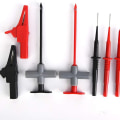
Modern electrician tool kits now include a wide range of specialized equipment designed to handle the complexities of plumbing and HVAC projects. Digital multimeters, circuit analyzers, and thermal imaging cameras are invaluable for diagnosing issues quickly and accurately. Wire strippers, conduit benders, and insulated hand tools remain essential, but newer versions offer improved ergonomics and safety features. Additionally, tools designed for working with smart systems—such as network testers and programmable device interfaces—are becoming increasingly important. These tools enable electricians to manage interconnected systems more effectively, ensuring seamless integration between electrical, plumbing, and HVAC components.
Enhancing Efficiency and Precision
Upgrading tools not only improves capability but also enhances efficiency and precision on the job. Advanced diagnostic tools allow electricians to identify problems without extensive trial and error, saving time and reducing labor costs. Precision tools help ensure that installations are completed correctly the first time, minimizing the need for rework. This level of efficiency is particularly important in projects where electrical systems must align closely with plumbing and HVAC components. By using the right tools, electricians can maintain a steady workflow and deliver consistent results across a variety of tasks.
Supporting Safety and Compliance
Safety is a top priority in any electrical project, and modern tools are designed with this in mind. Insulated tools, voltage detectors, and advanced testing equipment help reduce the risk of accidents and ensure compliance with safety regulations. When working alongside plumbing and HVAC systems, electricians must be especially cautious of moisture, confined spaces, and complex wiring configurations. Updated tools provide the protection and reliability needed to navigate these challenges safely. Staying compliant with industry standards not only protects workers but also ensures that installations meet legal and regulatory requirements.
Integrating with Plumbing and HVAC Systems
Electricians working on modern projects must be able to collaborate effectively with plumbing and HVAC professionals. This requires tools that support cross-system integration, such as those used for connecting smart thermostats, automated water systems, and energy management devices. Having the right equipment allows electricians to adapt to the unique requirements of each project and ensure that all systems function together seamlessly. For those looking to expand their tool kits or explore the latest innovations, it can be helpful to visit website resources that provide insights into new technologies and best practices.
Investing in Long-Term Professional Growth
Ultimately, upgrading an electrician’s tool kit is an investment in long-term professional growth and success. As technology continues to evolve, staying equipped with the latest tools ensures that electricians remain competitive and capable of handling a wide range of projects. This commitment to improvement not only benefits individual professionals but also enhances the quality of service provided to clients. By embracing modern tools and techniques, electricians can confidently meet the challenges of today’s plumbing and HVAC projects while preparing for the demands of the future.